
By: Bridget Pouliot
The first time I learned how to problem-solve on the fly was on-stage during my first ever performance. I was part of Miss Nelson is Missing at Warwick Neck Elementary School, just one of the stories in the production (which was a combination of short tales, including my show, Where the Wild Things Are, The Three Little Pigs, and more). I was a bright-eyed kid, newly double-digits and excited to be on stage. My role was Kid #3, “the worst kid of them all.” I was thrilled. Positively ecstatic. You’ve never seen a kid so excited to stick their tongue out at someone.
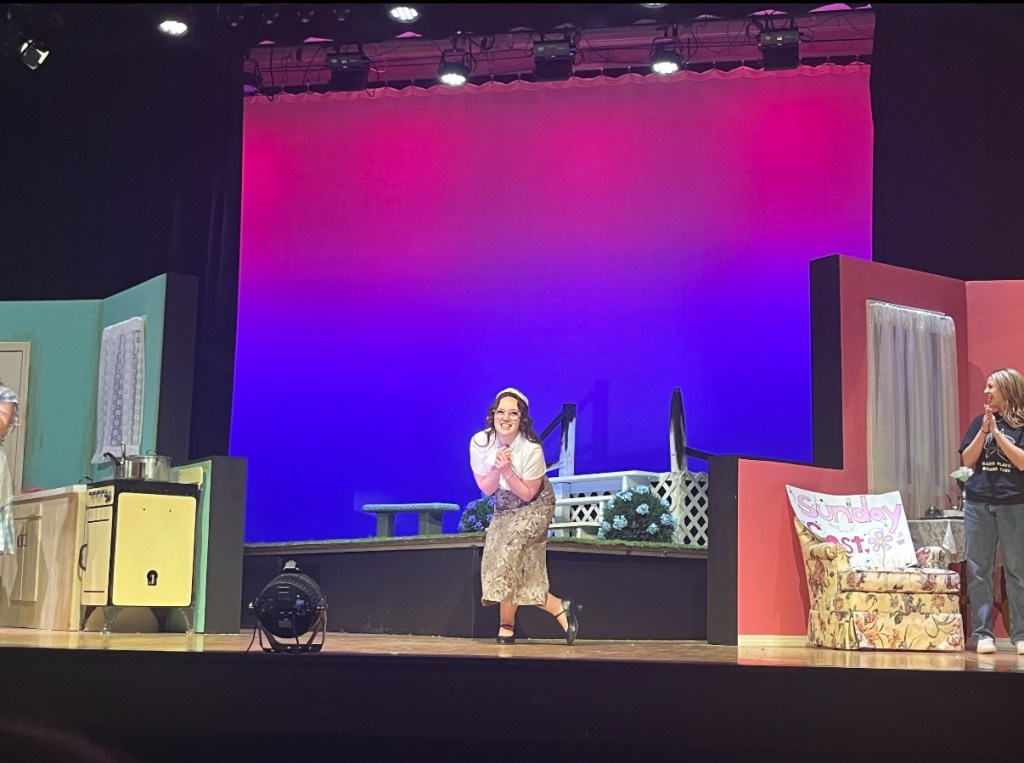
Everything had been going great in rehearsals. The school show had even gone perfectly. I was nailing it. Then, during the evening/parents show, the kid who had the line before me – one of my good friends to this day – skipped my line. He skipped to an entirely different part of the show. I had about two seconds to figure out what to do, so I followed his lead and went with it. I finished the show, got off of the stage, and cried.
Eight years later, I was on stage again, and my favorite line was skipped (this time by another one of my best friends – my brother). All I could think of was that ten-year-old, so I improvised and kept on. I didn’t cry when I got offstage this time because theatre had helped me learn that unexpected things happen and that’s okay, even if there was a bit of disappointment at a good line being skipped.
I have been on stage many times, with many different people. I’ve been grateful to have seen my fair share of shows, and I’ve met some incredible people through theatre. But what I think people don’t see behind the show-stopping smiles and belted songs is just how beneficial theatre is for kids.
Not only have I participated in theatre since fourth grade, but I’ve spent time in elementary theatre programs helping kids learn the art of performing. Two of my favorite kids I worked with were quiet. Yet, they both had leading roles in their production of Charlie and the Chocolate Factory. I had hardly heard a word out of one’s mouth prior to hearing her sing, and she was incredible. All it took was a safe space to foster confidence, and she was a star on opening night.
It’s not just elementary school kids who theatre has helped gain confidence, though. There was a freshman who joined drama my sophomore year. He blew us away at auditions with his comedic timing and great tone while singing. I came home talking about him and how funny he was one day to my mom, who was shocked. She told me she hadn’t heard a word from him in class all quarter, yet I hadn’t heard him be quiet! My mom wasn’t the only teacher who said that to me either. I remember thinking how incredible it was that theatre made him feel that comfortable.
“Theatre has had such a positive impact on my life because if not for theatre, I would not have made some of the closest friends in my life that I still have today,” expressed Pilgrim Players alumni Brianna Callahan. As a music education major at Rhode Island College, music director at Academy Players (and other RI and Massachusetts theatres), and someone who did shows at both Bishop Hendricken and Pilgrim, she has a lot of experience both on-stage and backstage. “No matter what kind of student they are, shy or outgoing, every one finds a home in the theatre. It gives students an incentive to get through the school day and perform well academically so that they can participate in theatre!”
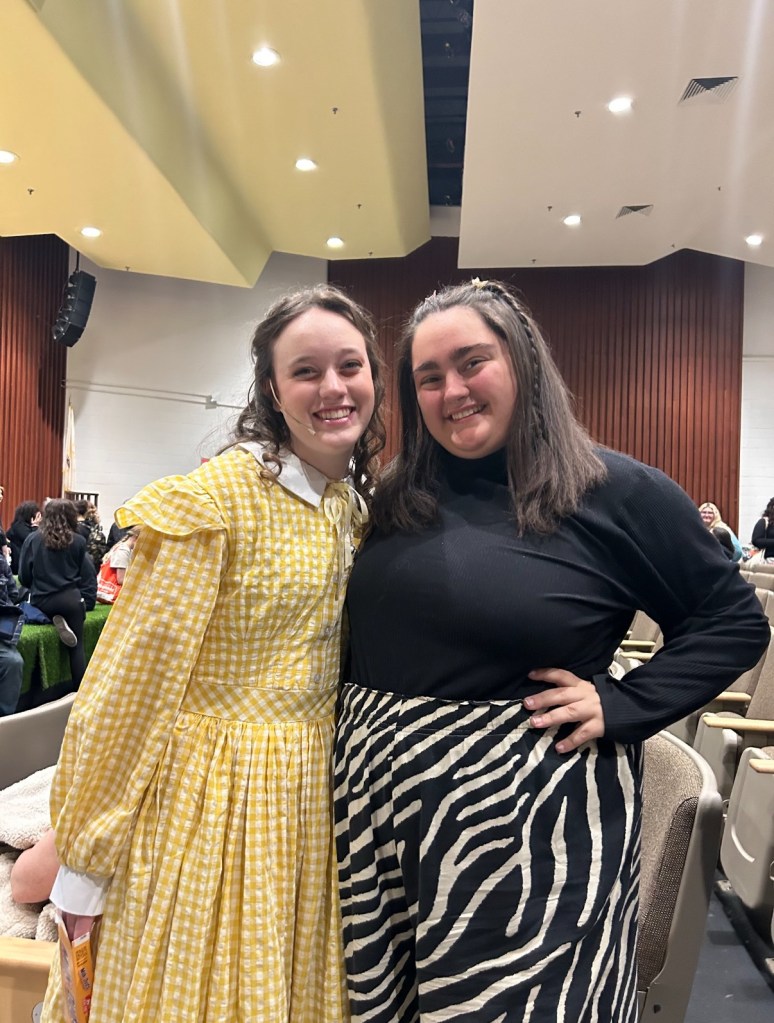
Of course, taking part in theatre builds many skills for kids, not just fostering confidence and creating friendships. In Pilgrim drama, students used to learn how to use tools and build full sets. Real, working, stunning sets. These kids would move the sets during shows, quietly, almost unnoticed by the audience. Sometimes they had less than 30 seconds to do a complete set change.
However, these things couldn’t have happened without the leadership skills drama instilled in the lead tech. They were the silent glue that held everything together. They were able to communicate what needed to be done and how, figure out any problems that arose, teach kids how to do different jobs, and help anyone who was struggling. Many of them became leaders in other aspects of their lives. I know I wouldn’t have been as good at my other leadership roles if I hadn’t experimented and put the time into drama the way I did.
Another skill theatre cultivates is creativity. I spent six years in the Providence Performing Arts Center’s Next Stop Broadway program. Part of the program was writing a short script; for the older kids, they created scripts combining two musicals and dropping a character from one into another, and for the younger kids, they made “box office previews” to showcase some of the shows in PPAC’s upcoming season.
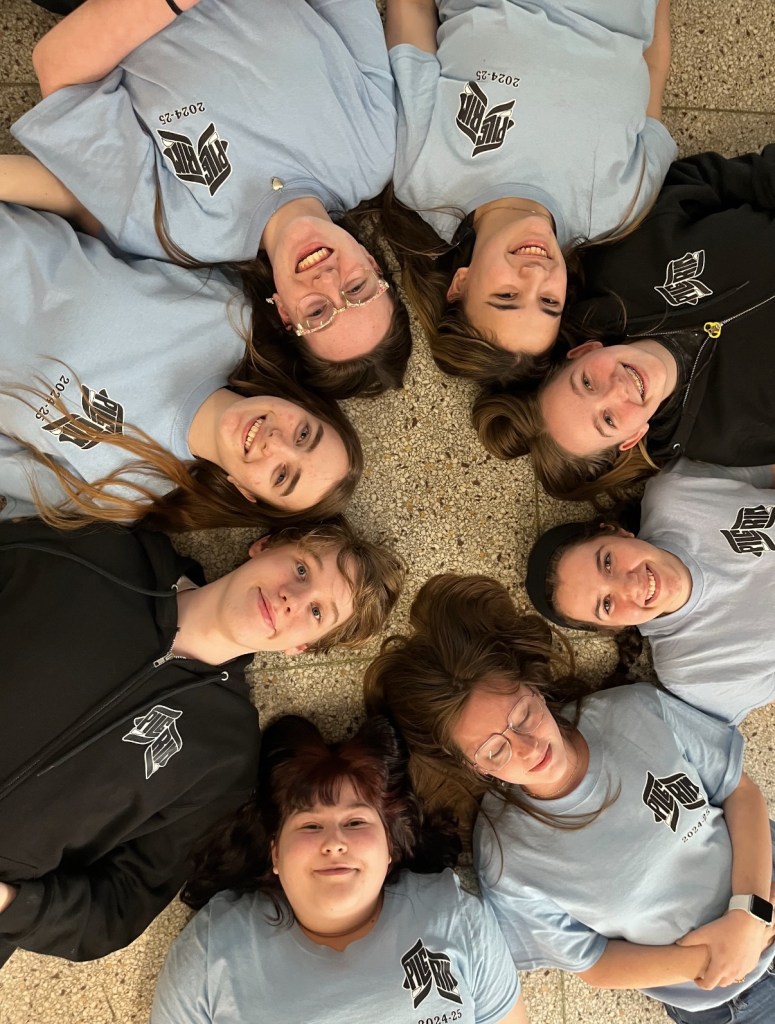
I remember being so impressed with the mixed musicals and previews I watched, and it was everyone’s favorite part of the program. This experience wasn’t just memorable for the kids; it was so beneficial to our imaginations and collaboration skills.
I say a lot that I wouldn’t be the person I am today without theatre; without that first show at Warwick Neck, without the acting project in fourth grade, without six years of Next Stop Broadway programs at PPAC, without my Arts Alive internship, and especially without the Pilgrim Players Drama Club. I am so grateful for the blood, sweat, and many, many tears that built the person I am today. And I am not the only one.
“Theatre is not just about singing and dancing and putting on a show,” Brianna Callahan stated, “it’s about the connections you made and the lifelong friendships that come from it that you won’t get anywhere else.”
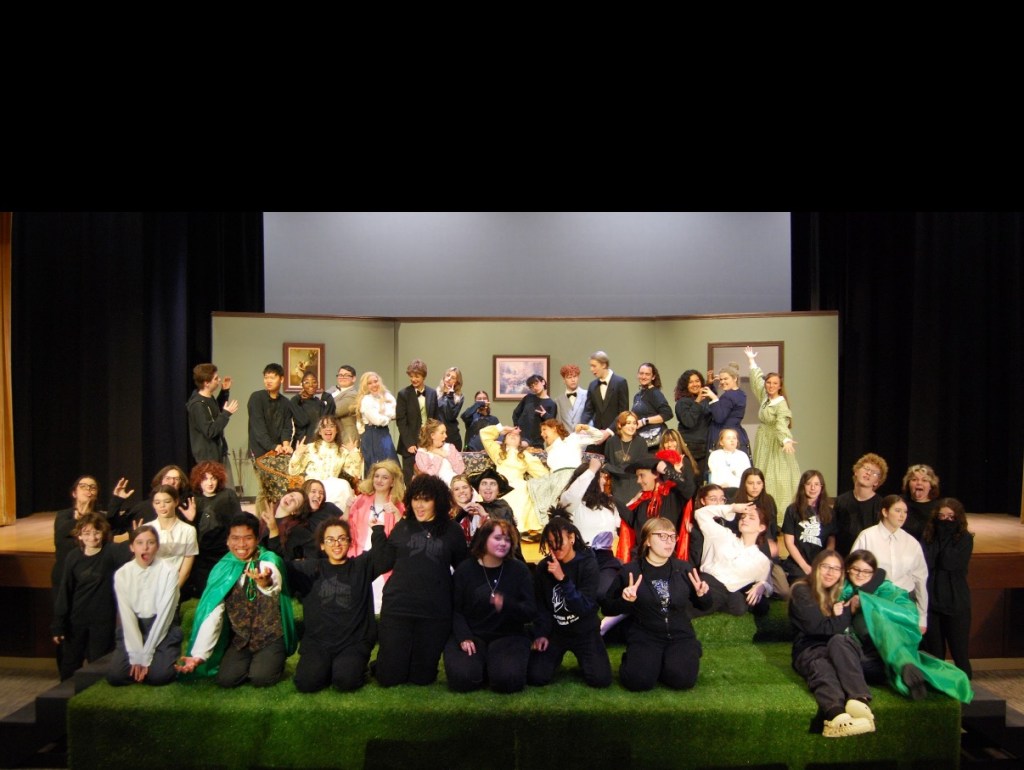
Pilgrim High School currently does not have a theatre program, but when it had one, it flourished. Without a drama club, many kids who’d begun to grow and gain confidence in so many skills – not just performance-based ones – are lost. We are still looking for someone to take over the club and build it into another safe space for kids; a reason they want to come to school everyday.
“The big actors you see on stage, their career probably started in a high school drama program,” Brianna Callahan explained. “Whether they go off to be on Broadway or a doctor, at the end of the day, they will never forget their days in their high school theatre. I know I never will.”


 The Black and White
Leave a comment